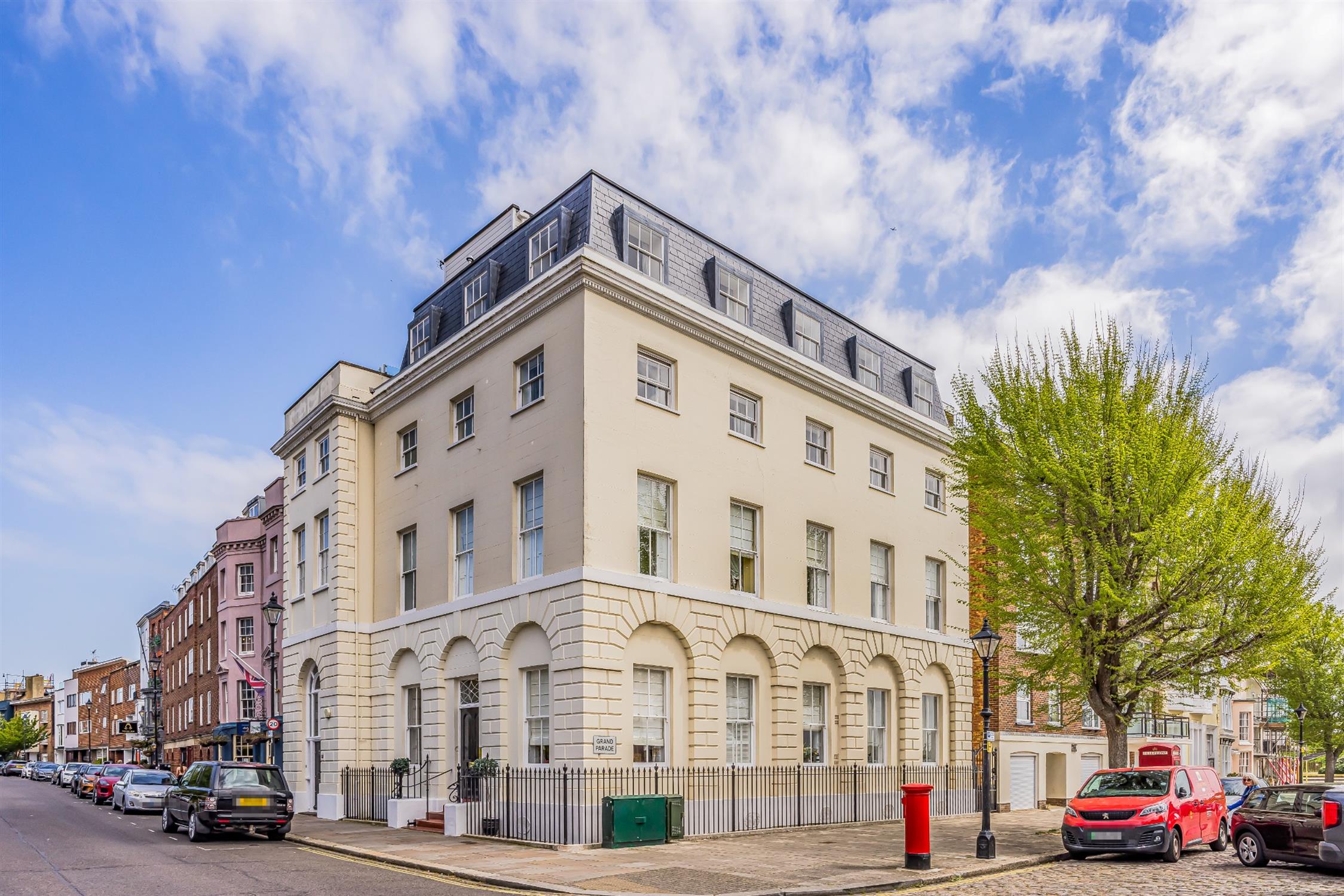
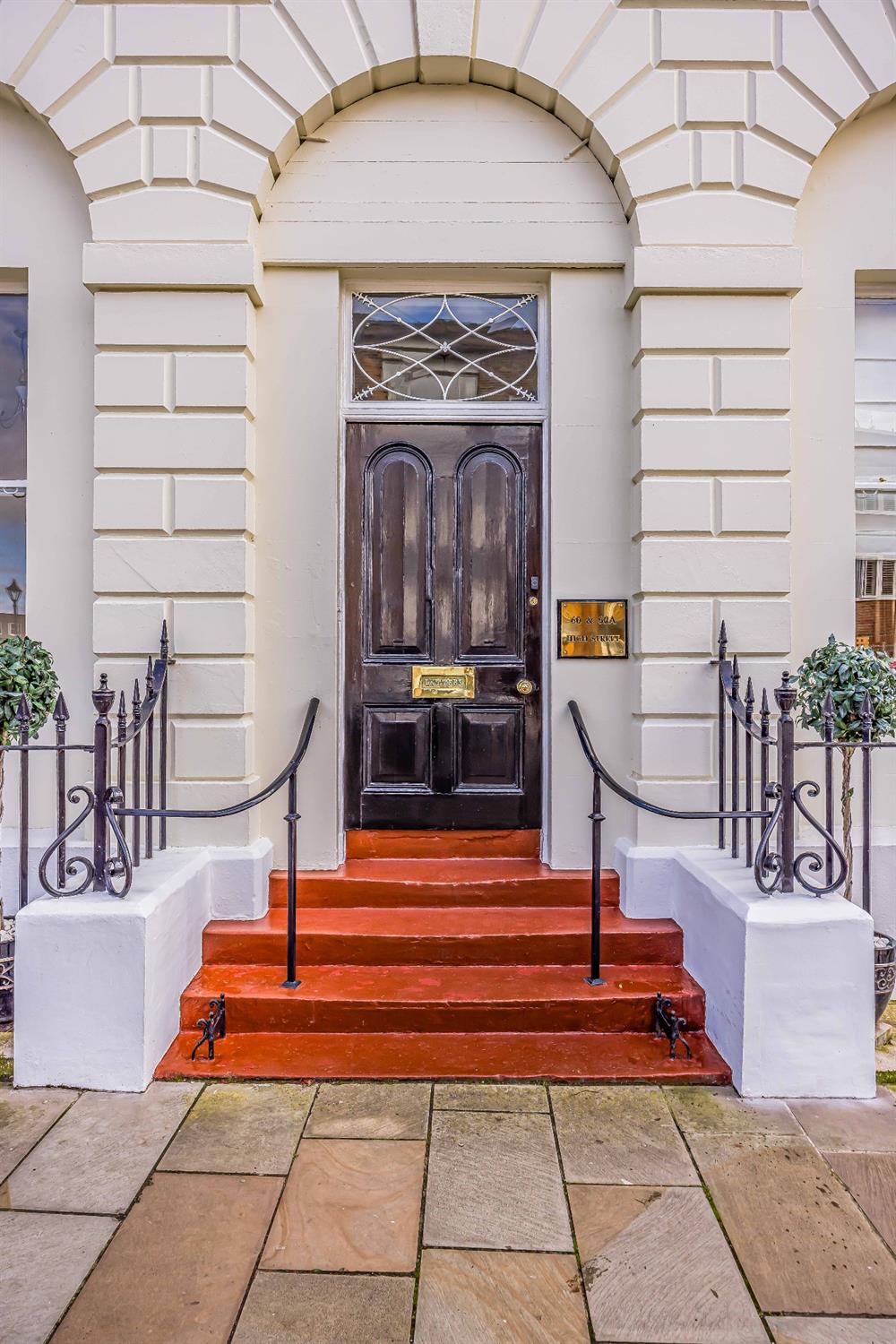
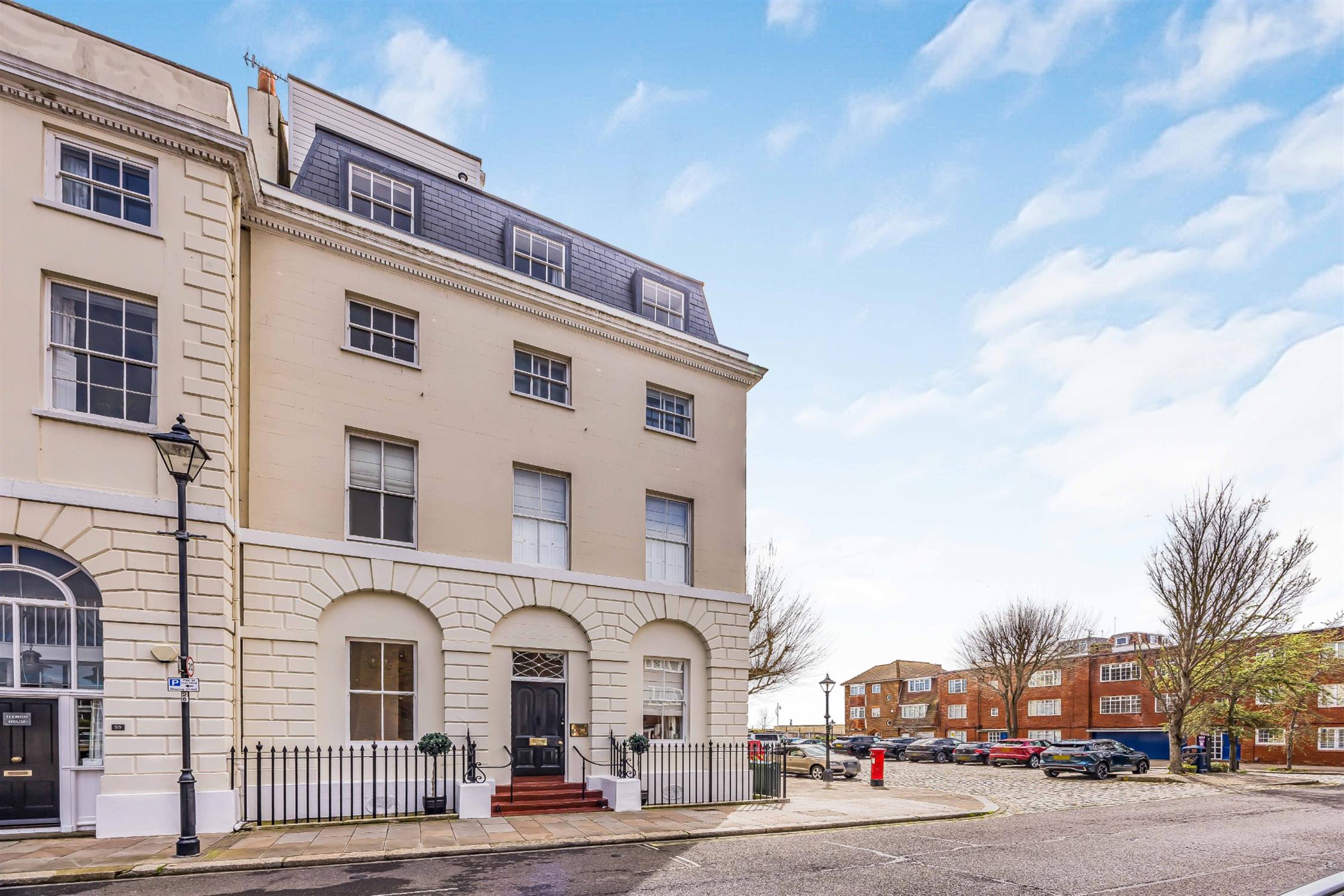
Set within the historic heart of Old Portsmouth, this exceptional three-bedroom ground floor duplex apartment forms part of an elegant Georgian townhouse dating back to 1786. Commissioned by naval supplier Peter Taylor and designed by renowned architect Samuel Wyatt, the building has played a fascinating role in the city’s history, including a long period as a prominent bank, with remnants of its past still evident today. This unique home offers an impressive blend of grandeur and character, with beautifully proportioned rooms and a wealth of period features throughout.
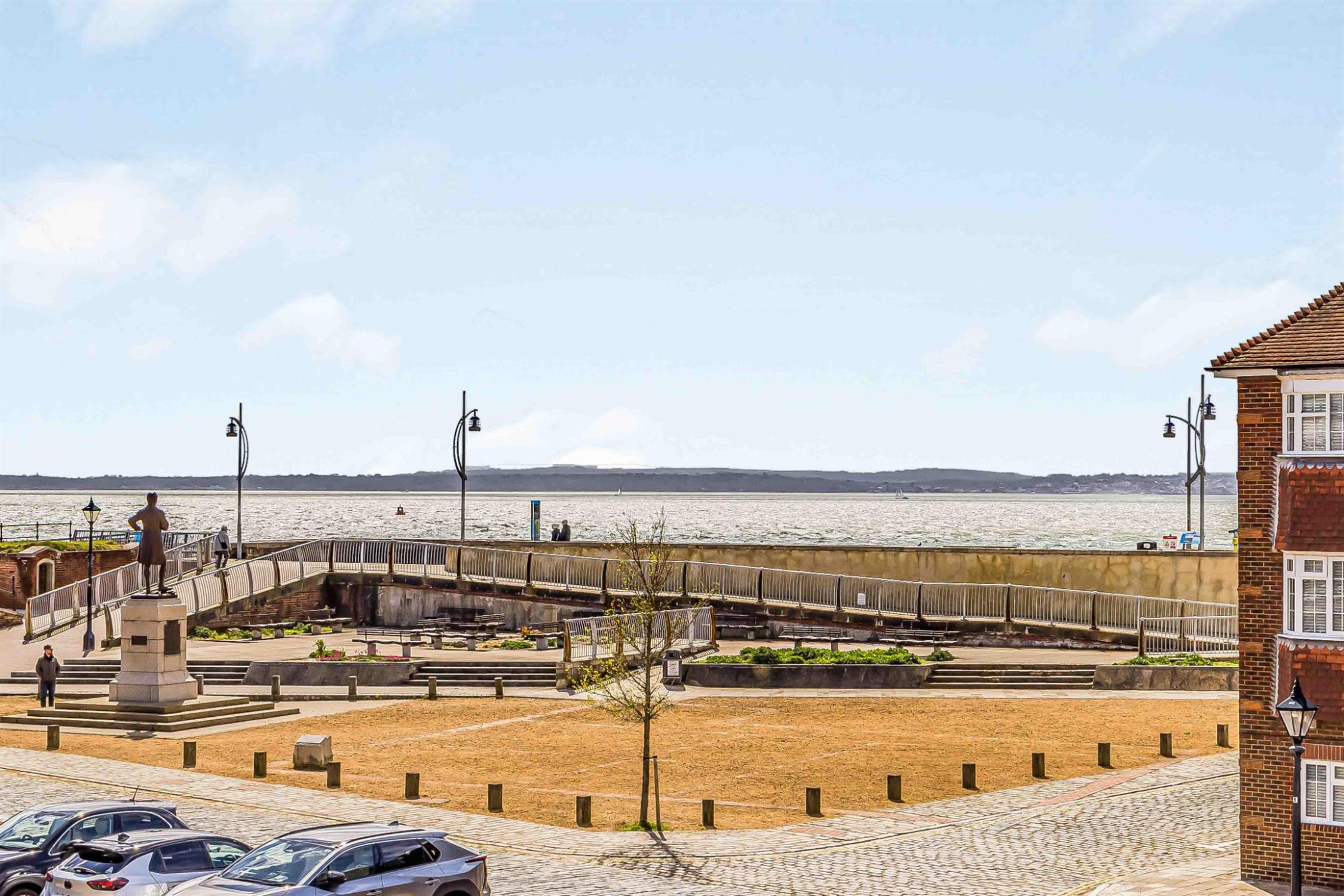
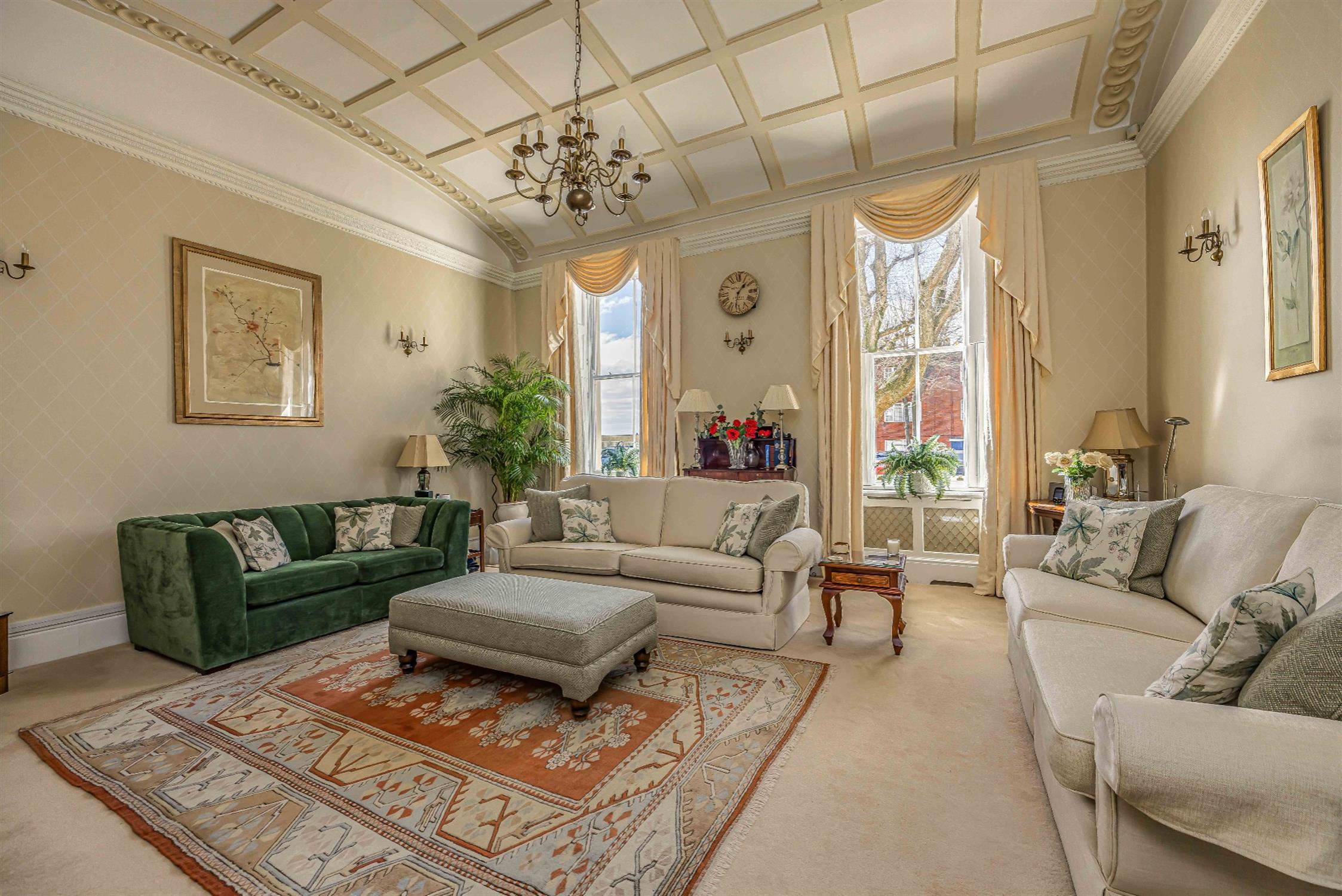
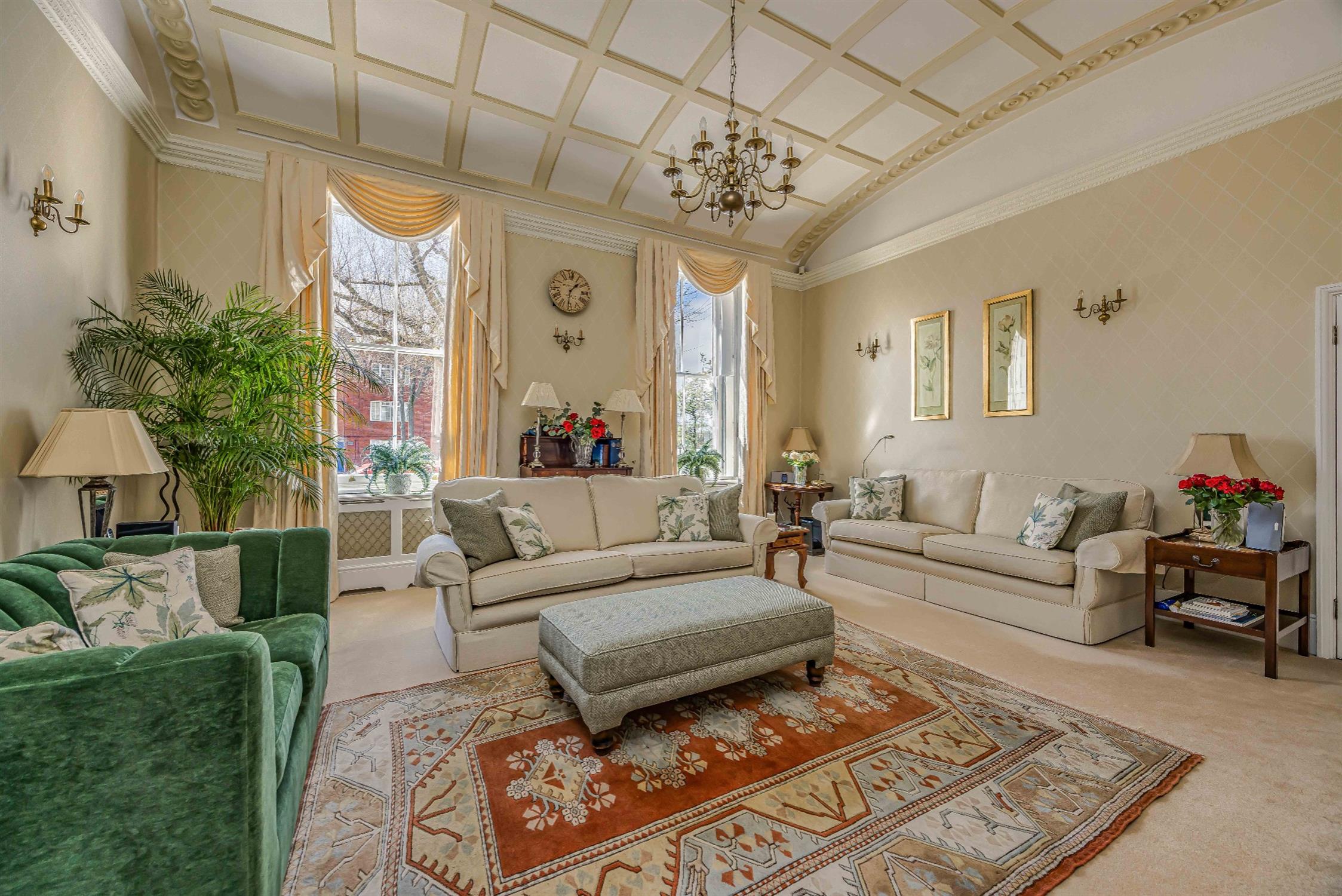
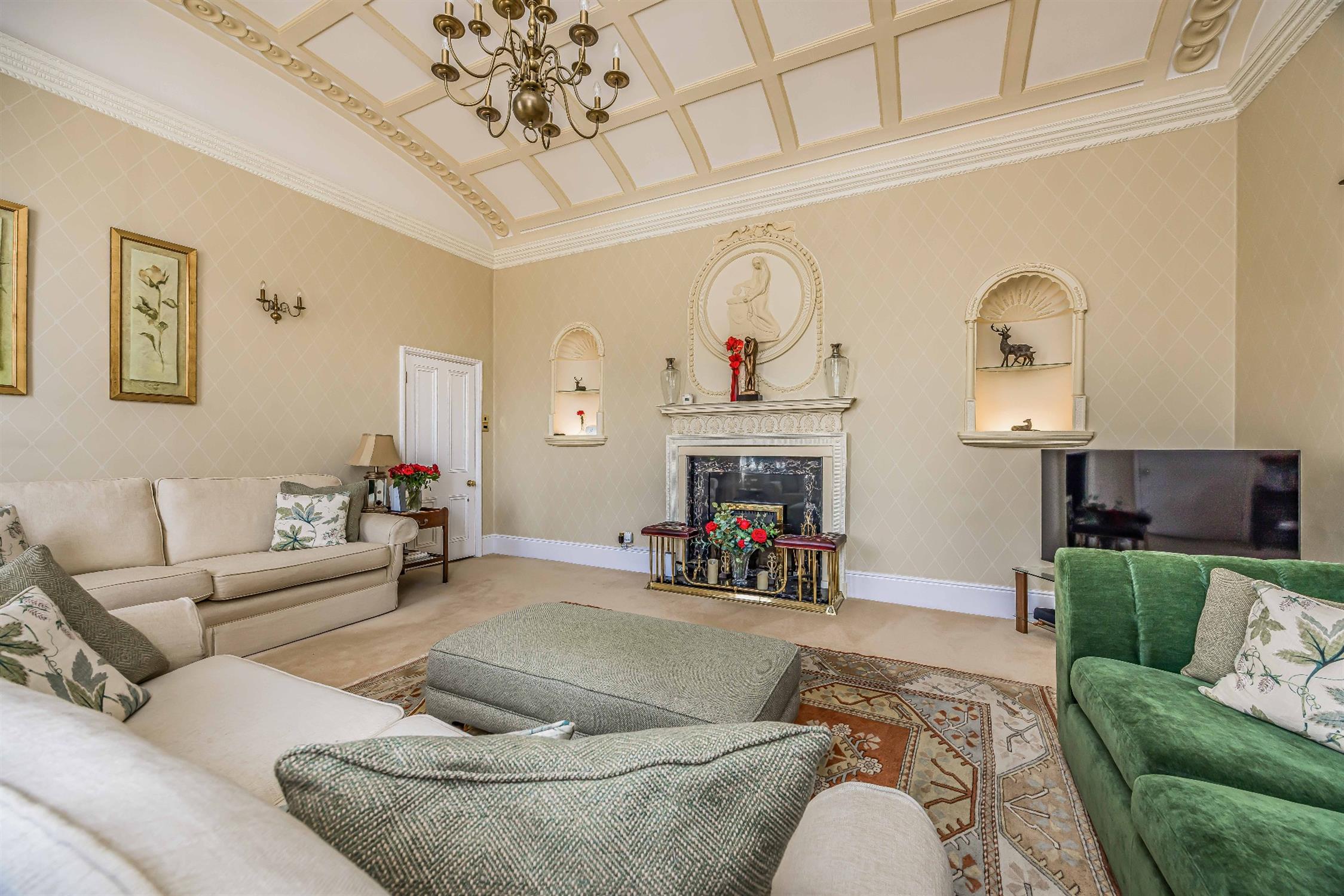
The stunning drawing room is a particular highlight, featuring a rare barrel-vaulted ceiling, while tall sash windows - some retaining original shutters - flood the space with natural light and frame attractive views across Grand Parade, the historic Napoleonic sea defences, and out towards The Solent. The accommodation on the ground floor comprises a welcoming entrance hall, an atmospheric study set within a former bank strong room, an elegant drawing room, a formal dining room, and a well-appointed kitchen. The layout provides a wonderful balance of formal entertaining space and practical day-to-day living. Upstairs, the property continues to impress with three generous double bedrooms, including a superb master suite with en-suite facilities, alongside a family bathroom. Each room reflects the building’s heritage, with high ceilings and large windows enhancing the sense of space and light. Offered as a long leasehold, this remarkable home presents a rare opportunity to acquire a property of significant historical interest, combined with stunning coastal outlooks and a prime position within one of Portsmouth’s most prestigious and characterful locations.
ENTRANCE LOBBY
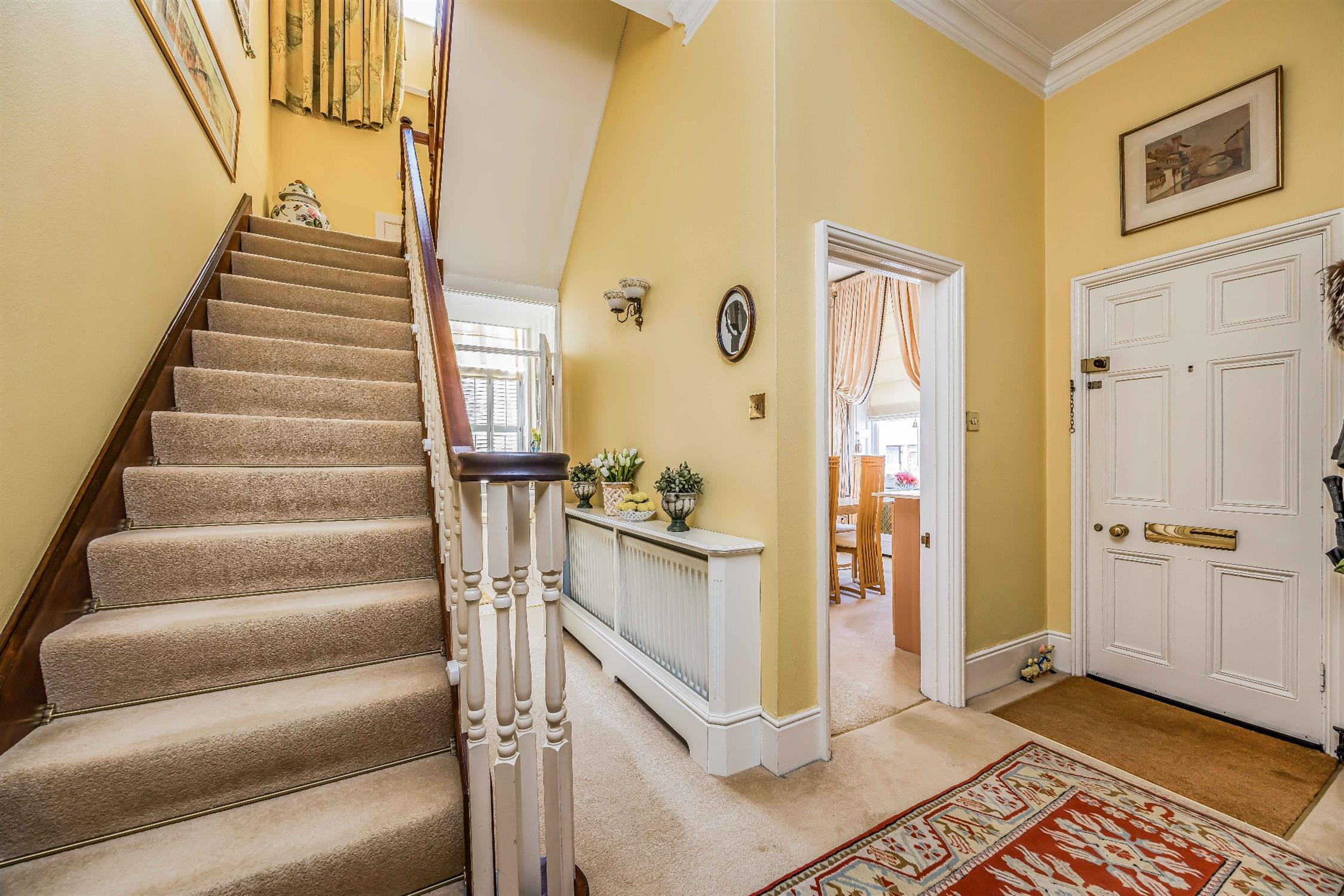
Coir matting, main front door with brass furniture and doorbell leading to:
HALLWAY
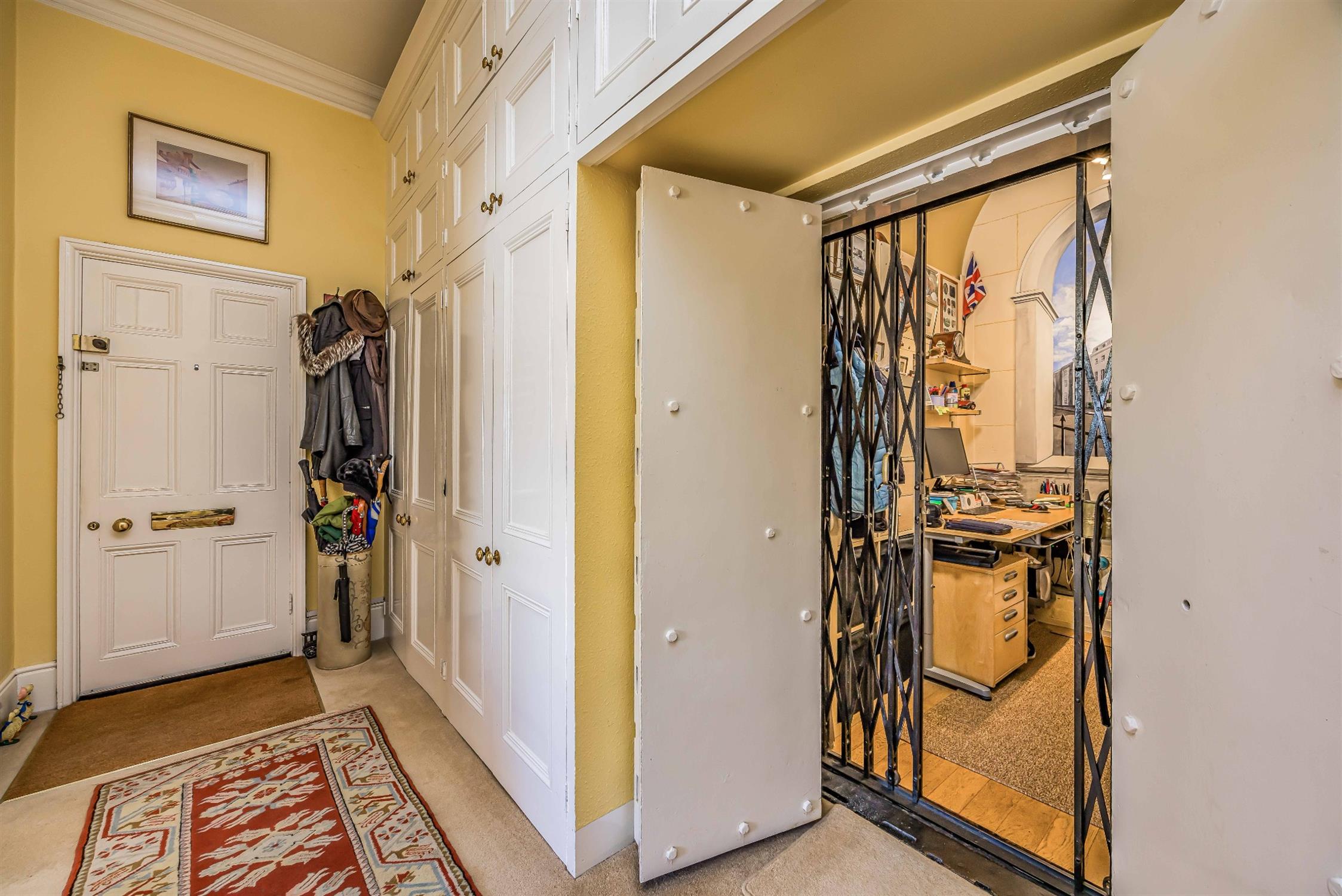
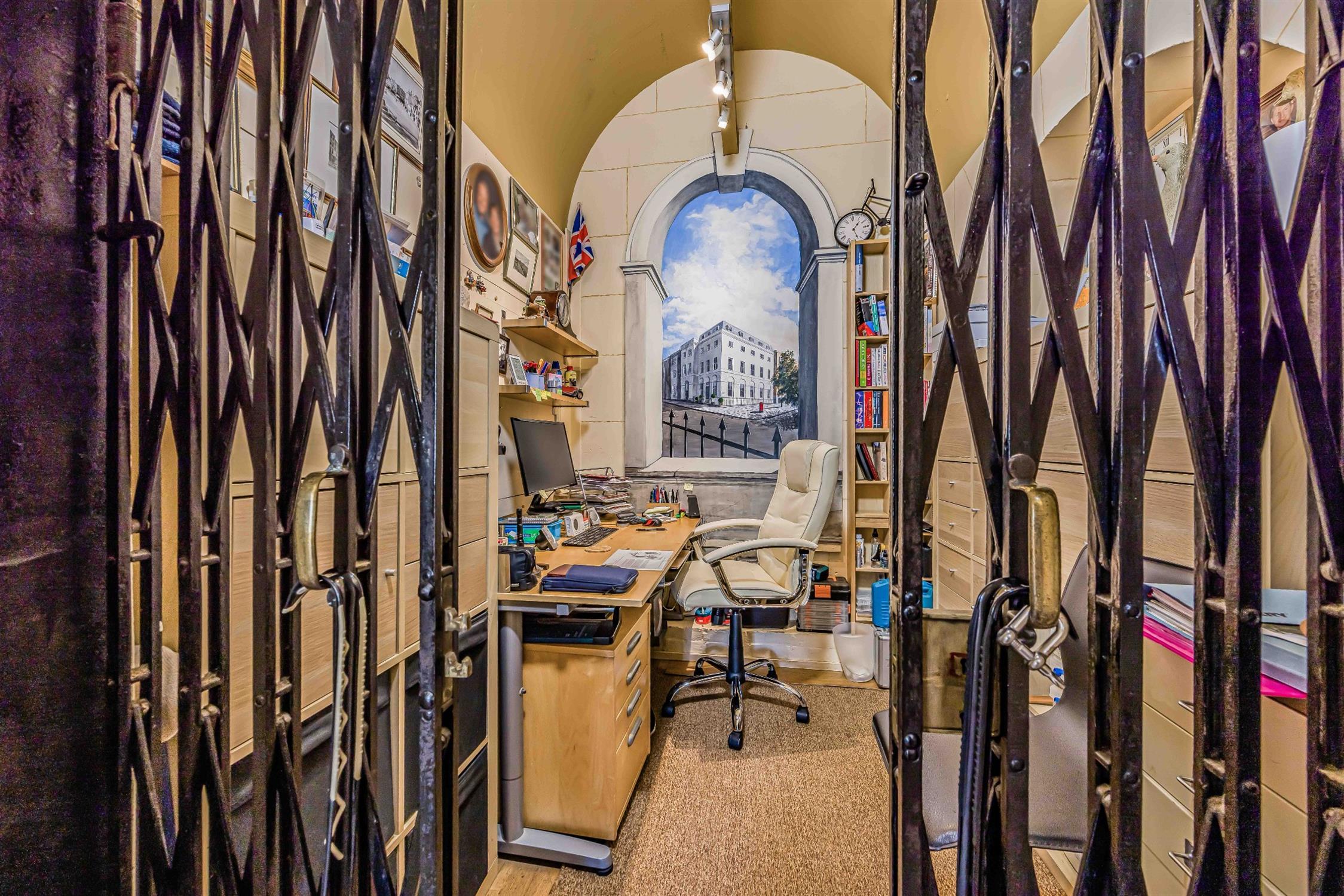
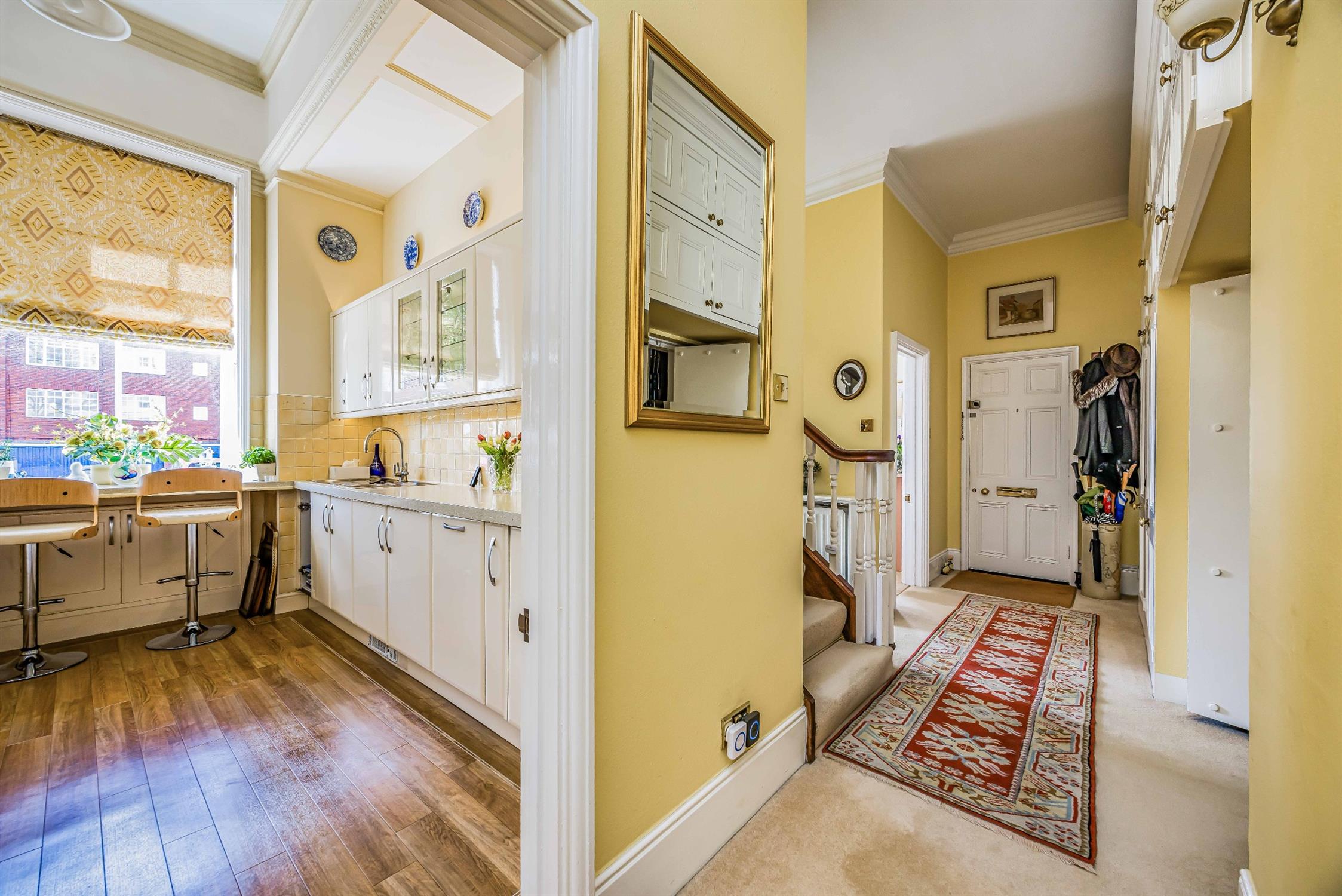
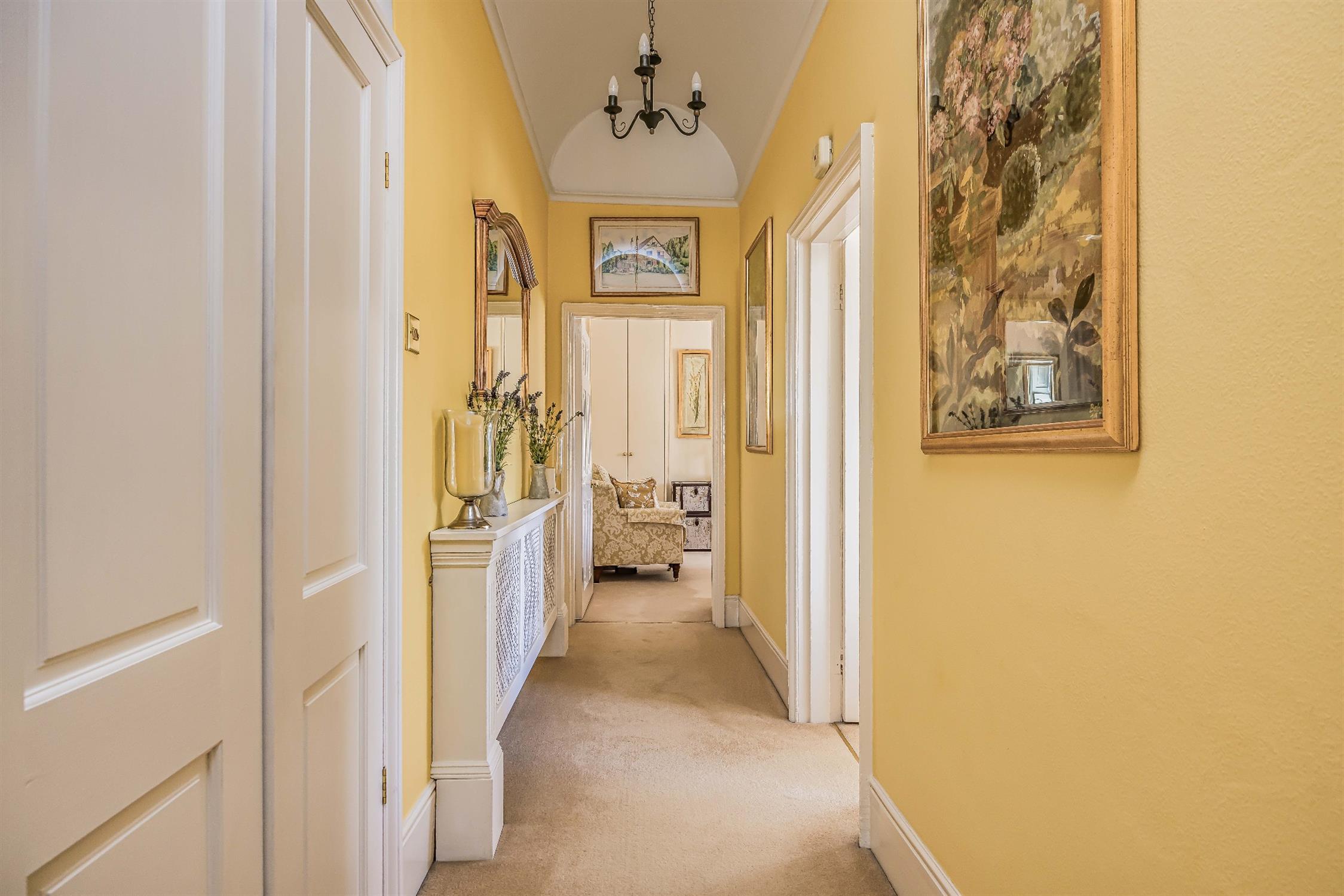
High ceiling with coving, range of floor to ceiling built-in cupboards and storage units to one wall, panelled doors to primary rooms including twin vaulted cast iron doors leading to study, balustrade staircase rising to first floor with understairs cupboard housing space for tumble dryer with lighting and shelving, radiator with cover.
DINING ROOM
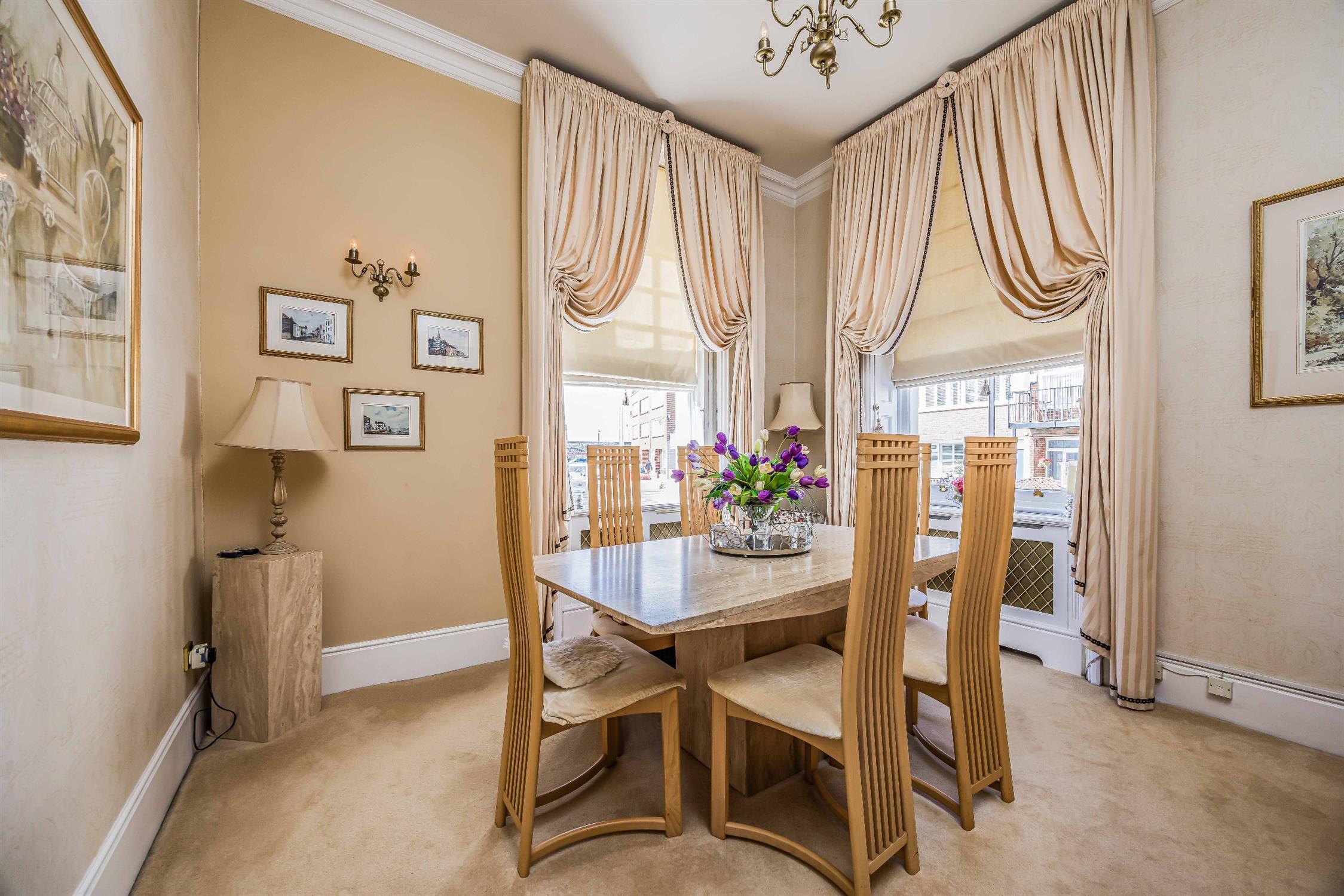
Dual aspect 8ft high sash windows to front and side aspect with shutters and views over Grand Parade towards the Napoleonic sea defences with radiators covers over, high ceiling with coving, high skirting boards, brass dimmer switches.
CLOAKROOM
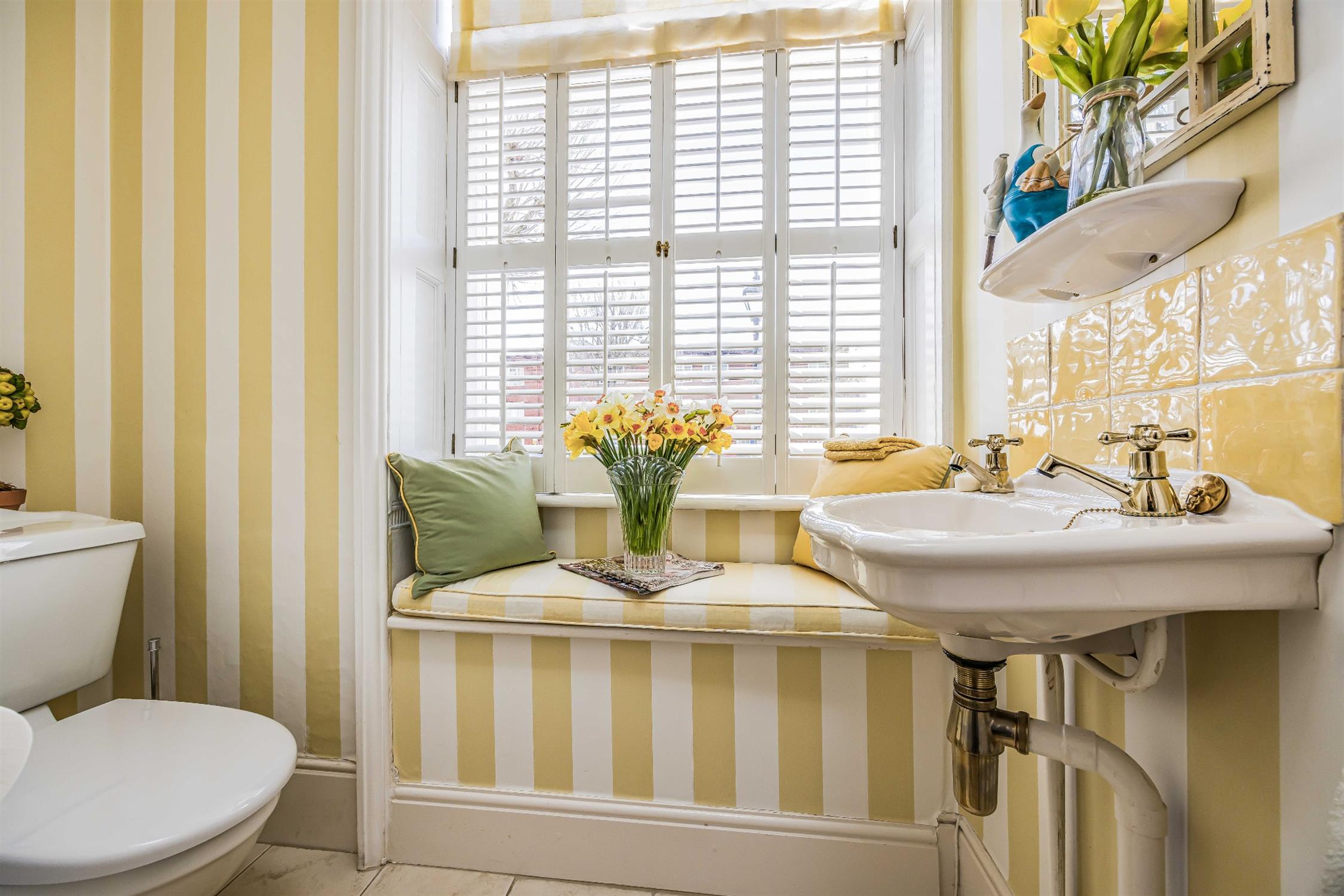
Low level w.c., electric panel heater, sash window to side aspect with plantation shutter blinds, wall mounted wash hand basin with tiled splashback.
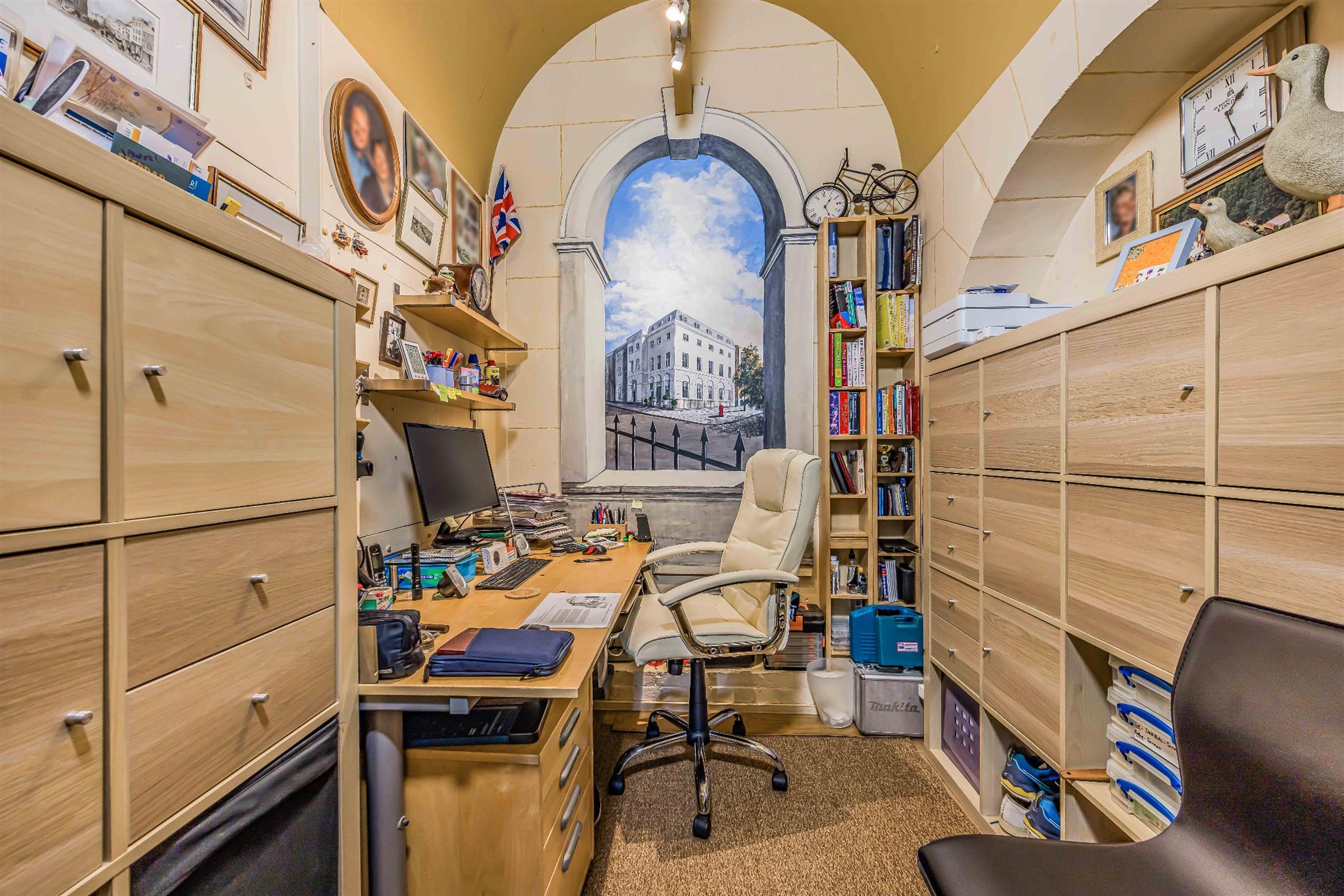
STUDY / STRONG ROOM
Originally the strong room dating back to when the building was a bank with original vault steel doors, feature curved ceiling with spotlights, unique painting on the facing wall of the building in the style of a window opening (commissioned by a local artist), shelving, wooden flooring with hatch leading to basement.
KITCHEN
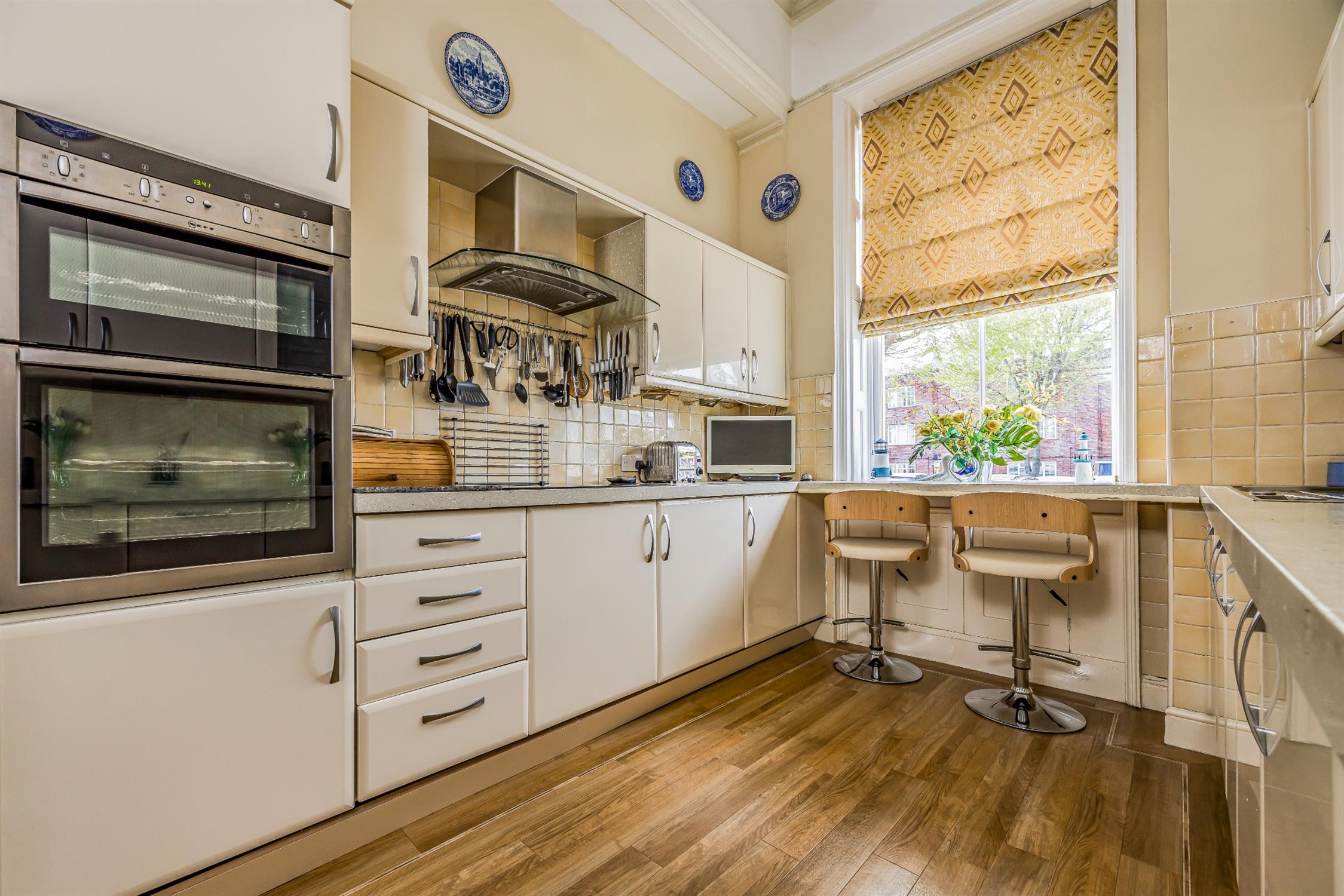
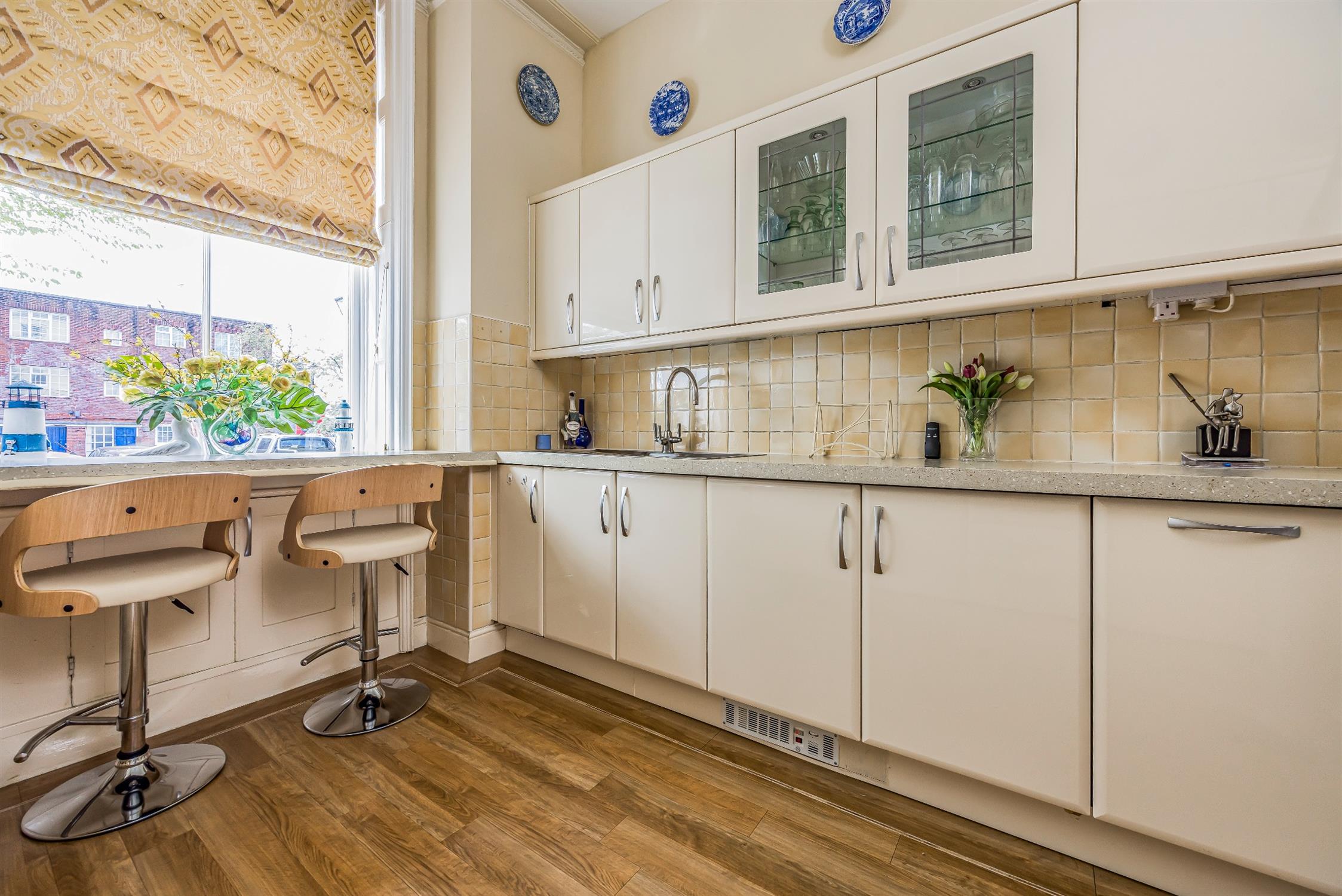
High ceiling with cornicing and coving, 8ft sash window to side aspect overlooking Grand Parade, comprehensive range of matching wall and floor units, cream granite work surface, integrated dishwasher with matching door, ceramic tiled surrounds, under unit lighting, two wall mounted units with glazed panelling and glass shelving, inset 1½ bowl stainless steel sink unit with three way mixer tap with filter water system, raised breakfast bar area, eye-level double oven and grill with cupboards over and under, electric induction hob, integrated washing machine, space for free standing fridge/freezer, wooden flooring with kick plate heating.
DRAWING ROOM
Feature vaulted ceiling measuring approximately 12'7" in height with ornate coving and cornicing, central recessed chimney breast with gas fire and marble surround, two feature arched display shelves to either side, remote controlled standard lighting, 8ft sash windows to side aspect overlooking Grand Parade with shutters, high skirting boards, wall lights.
FIRST FLOOR
Split level landing with high level window to side aspect, steps leading to primary landing with balustrade, high ceiling with coving, built-in double door with arch over serving access onto the communal rear staircase, radiator with cover, feature arched ceiling with high level picture rail, panelled doors to primary rooms.
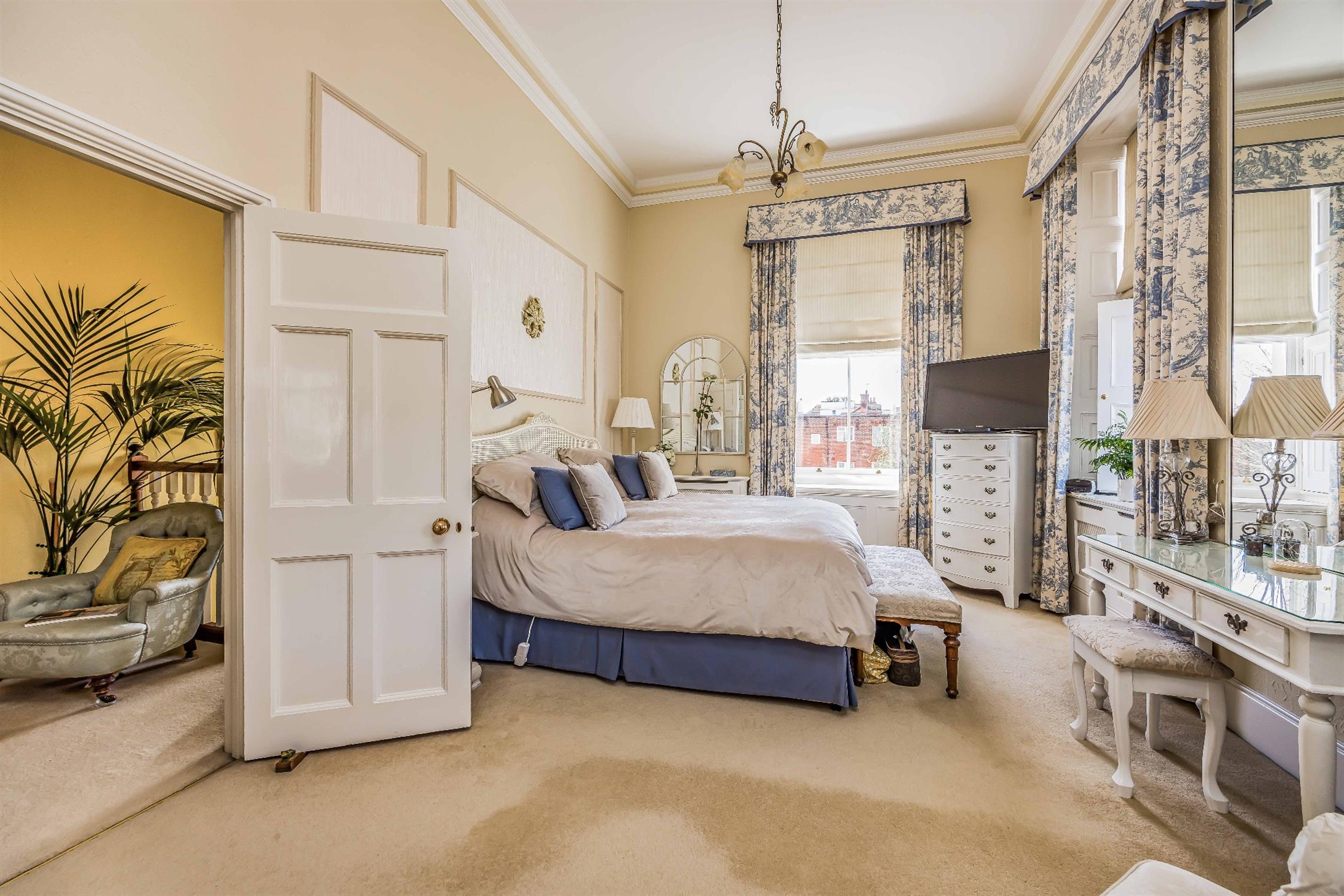
BEDROOM 1
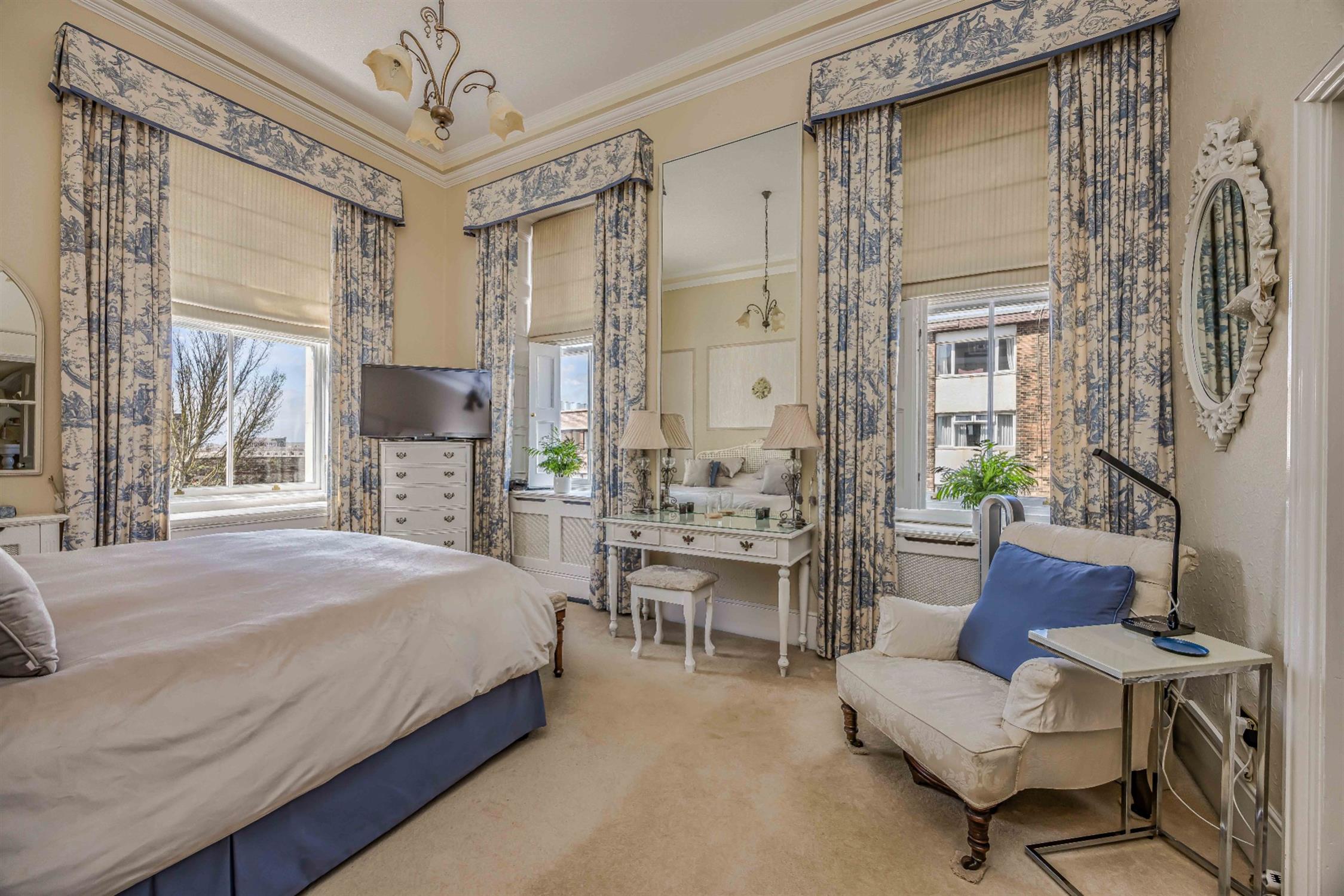
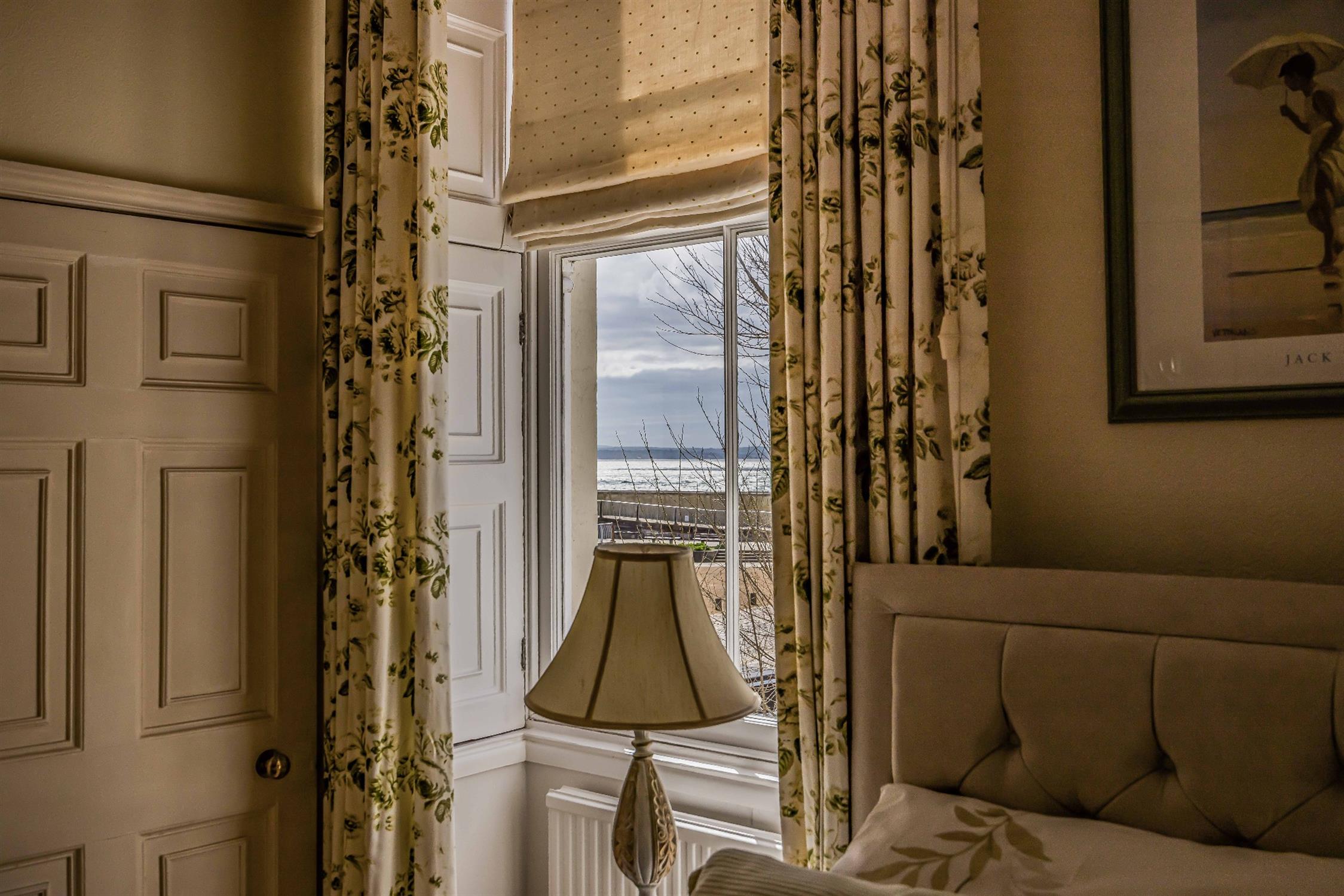
Dual aspect sash windows with shutters to front and side aspects with views over Grand Parade towards Square Tower and The Solent, radiators with covers, high ceiling with coving, door to:
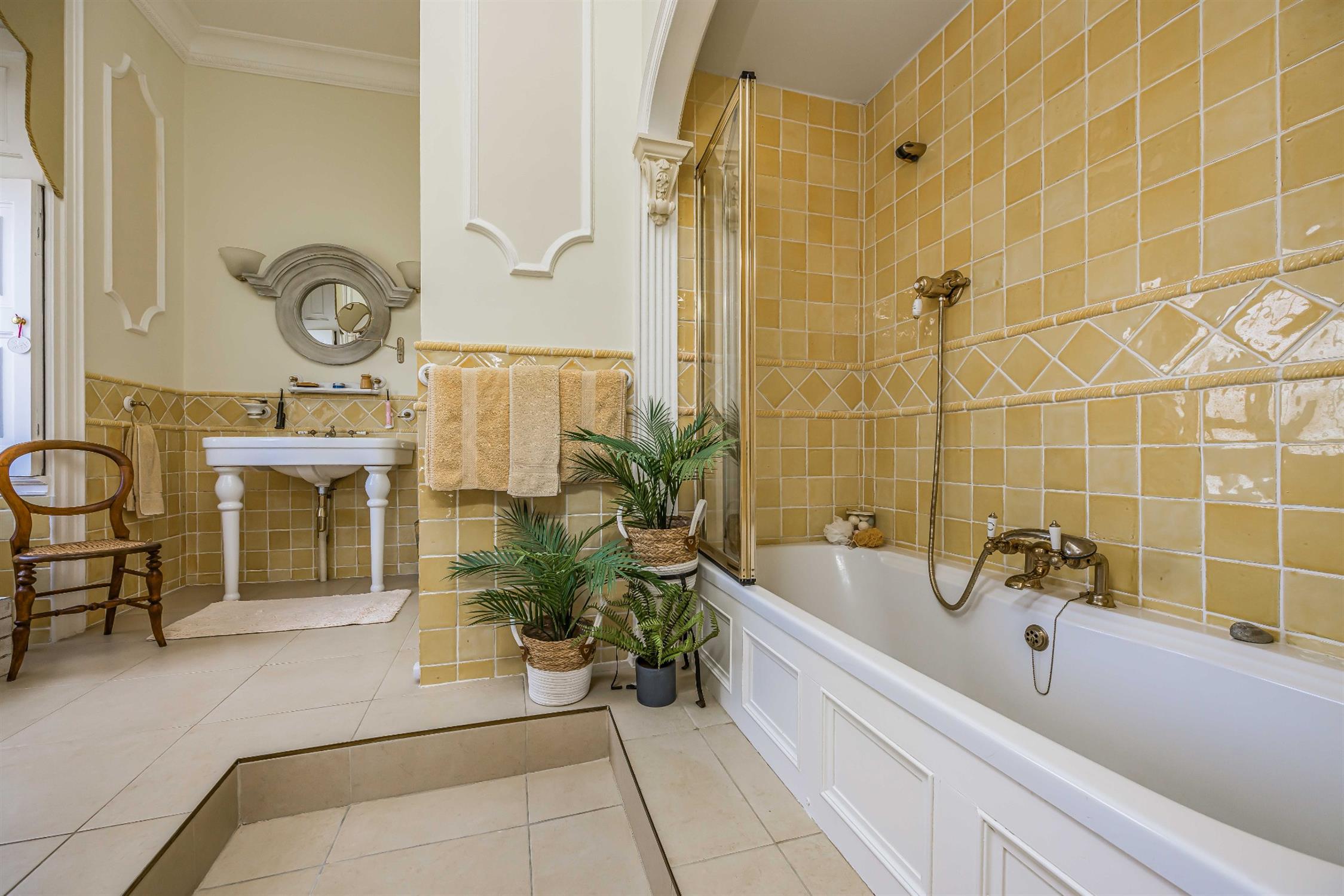
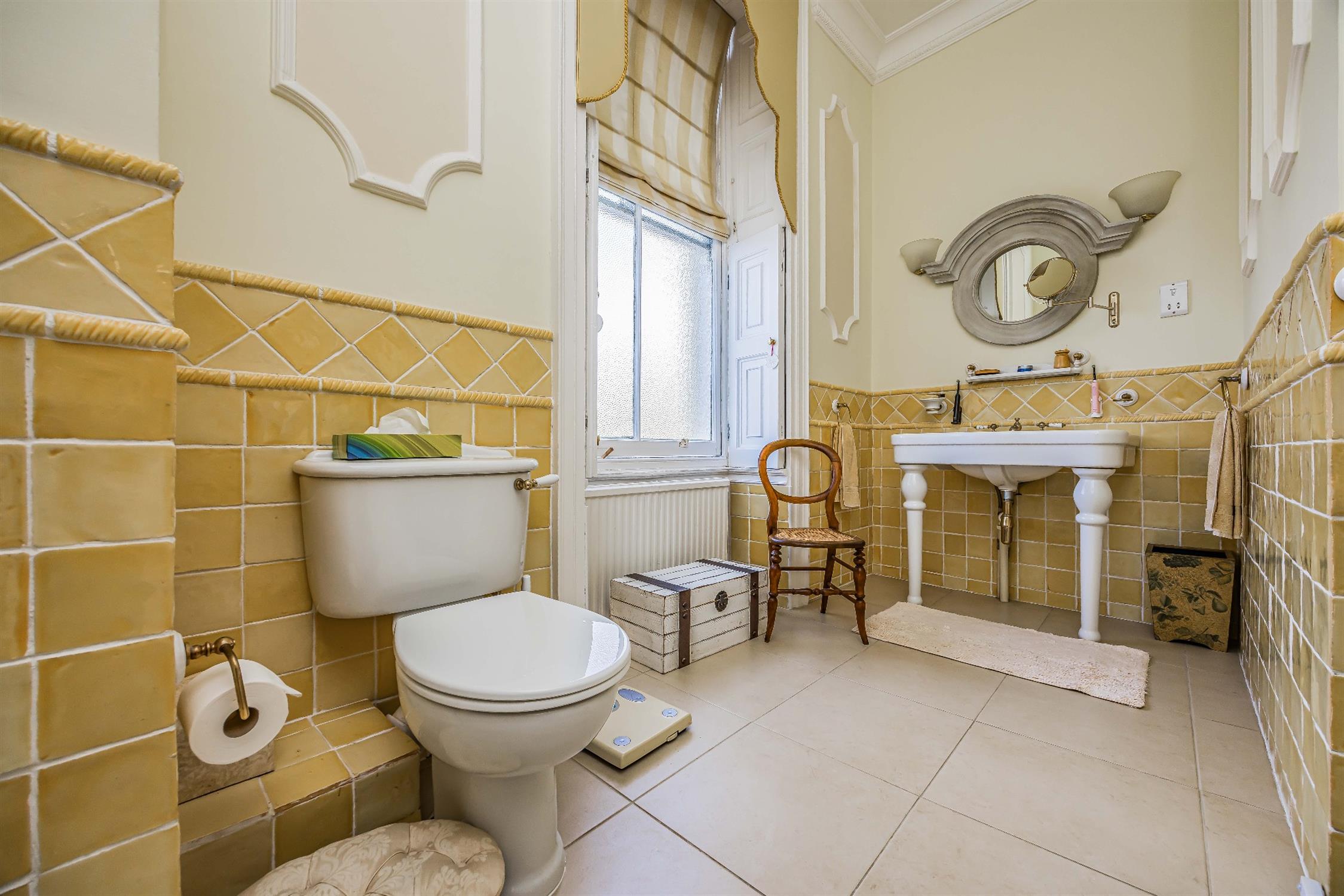
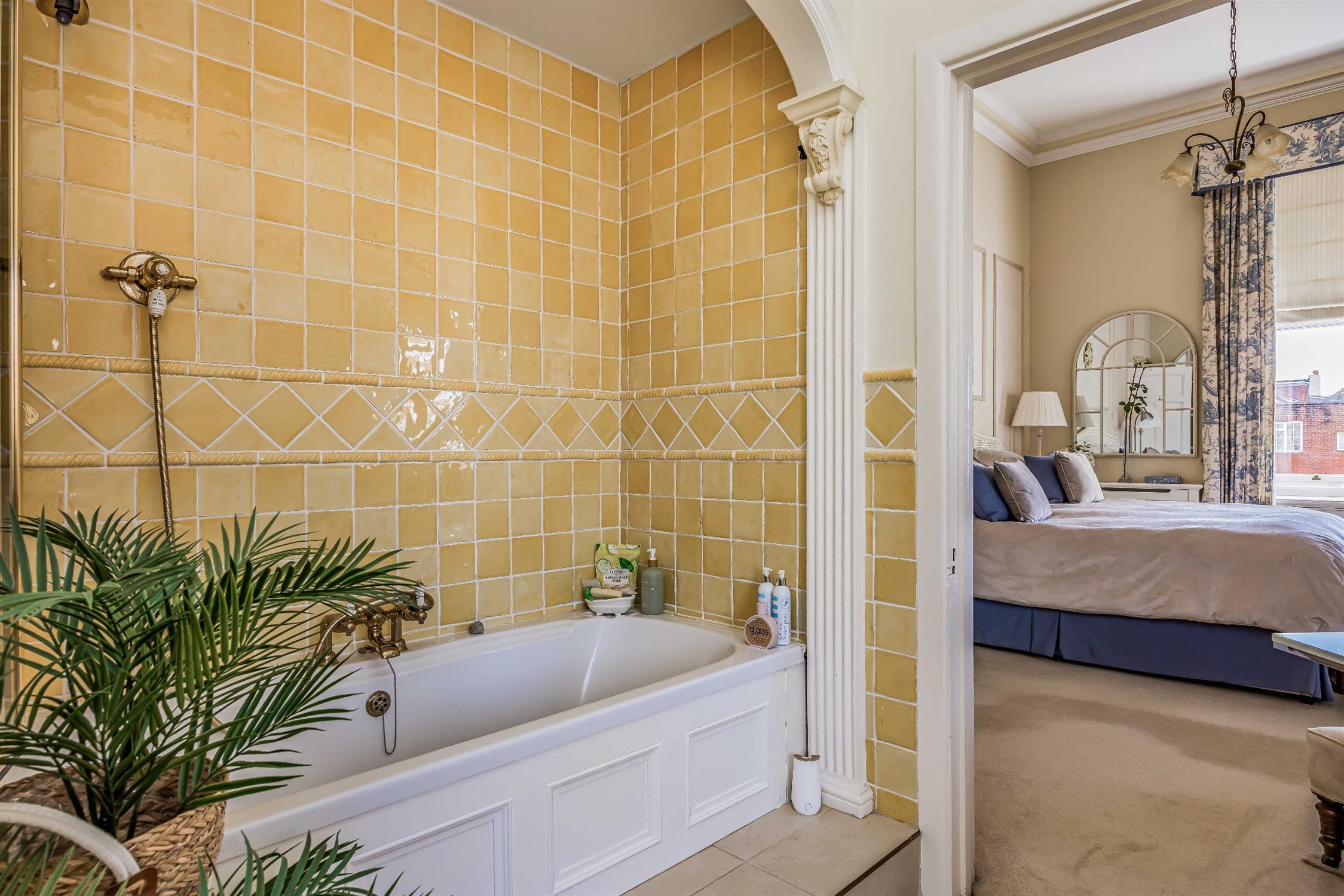
EN-SUITE BATHROOM
White suite comprising: double ended bath with mixer tap and shower over, folding shower screen, extractor fan, ceiling spotlights, ceramic tiled surrounds, tiled flooring, high ceiling with coving and cornicing, shaver point, feature two legged ceramic wash hand basin with mixer tap, frosted glazed window to front aspect with shutters and radiator under, low level w.c.
SHOWER ROOM
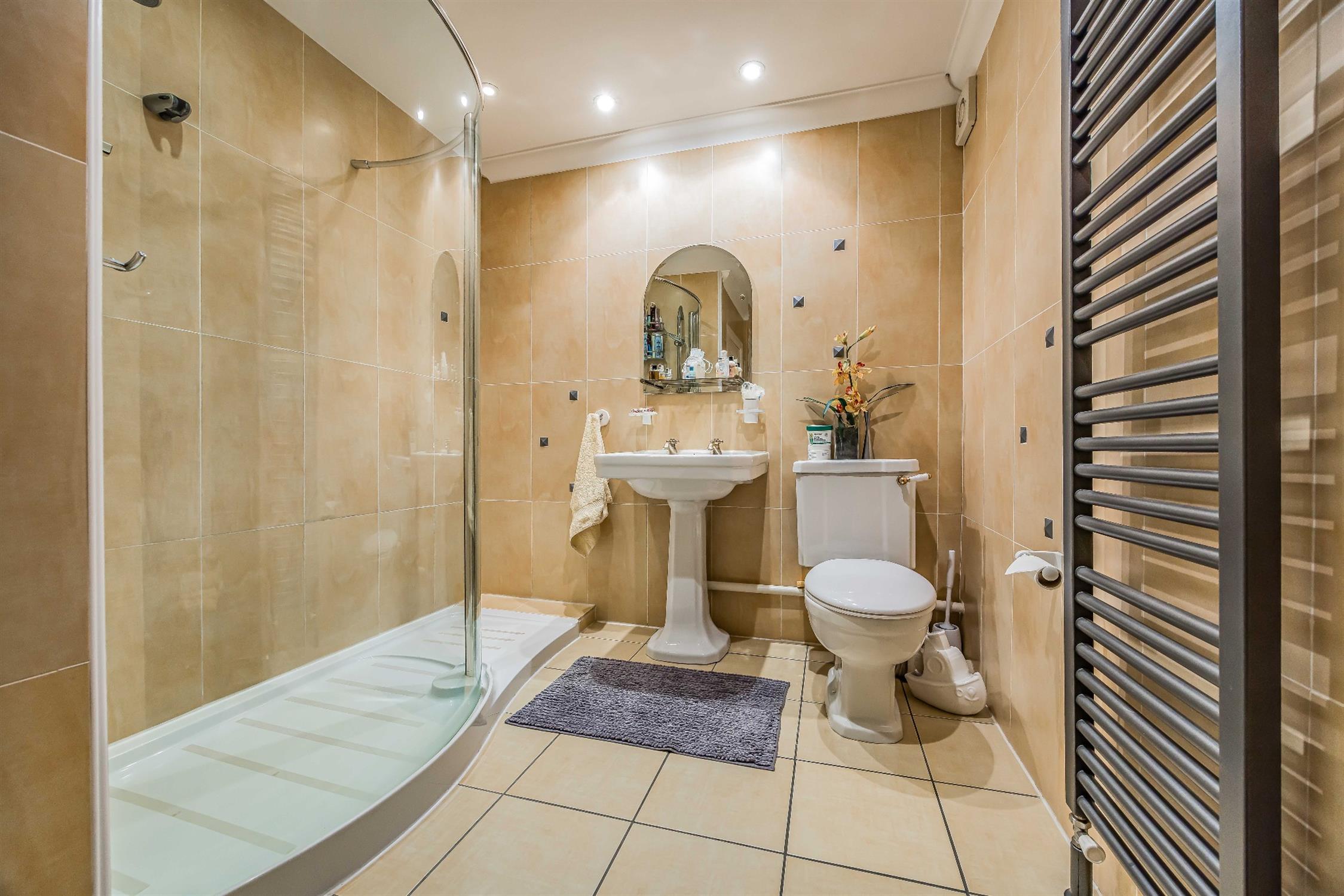
Fully ceramic tiled to floor and walls, shower area with curved screen and drying area to one end, pedestal wash hand basin, low level w.c., extractor fan, ceiling coving, heated towel rail, built-in airing cupboard with Mega-Flow hot water cylinder.
LOFT
Same size as the shower room with light and access extendable ladder.
BEDROOM 3
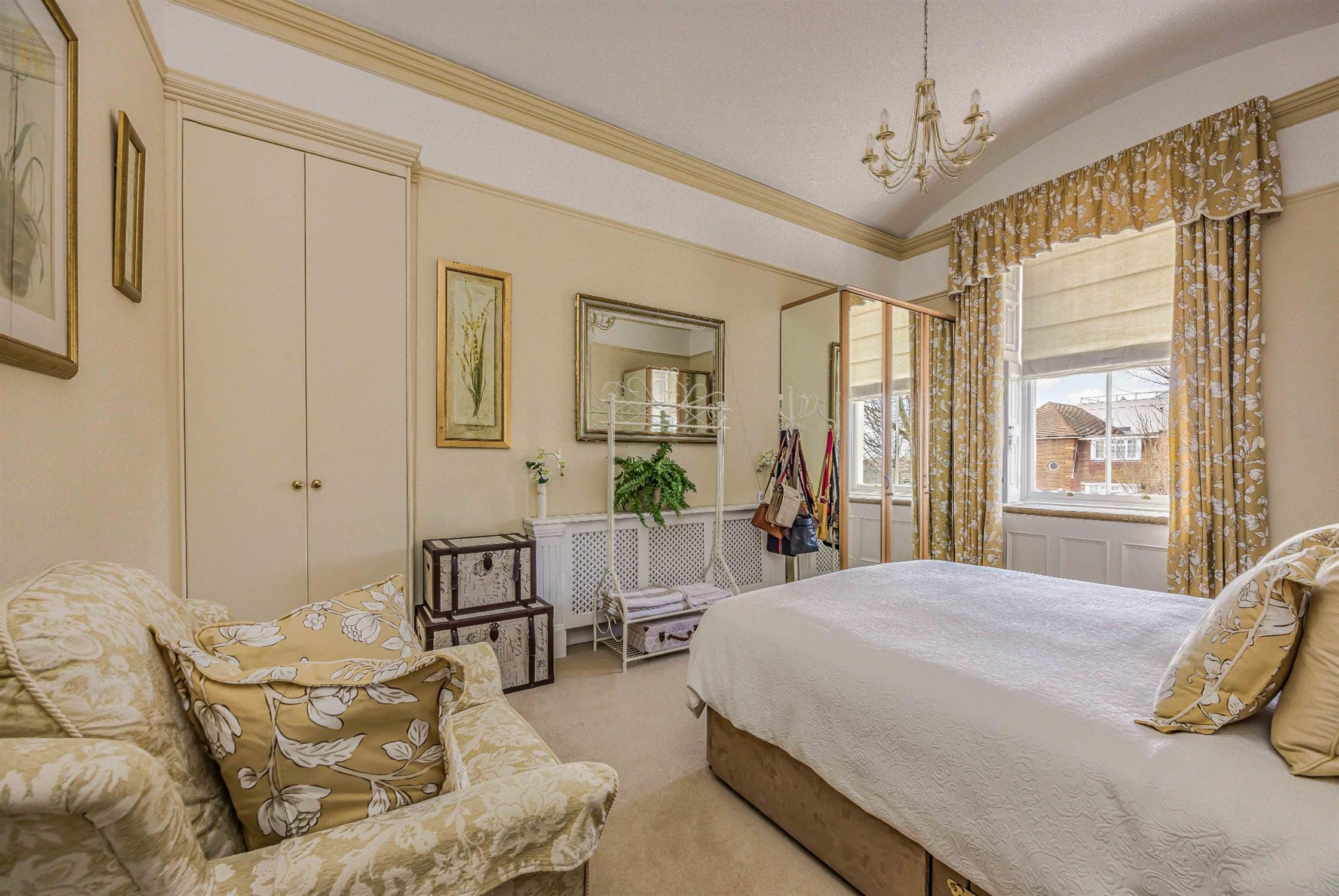
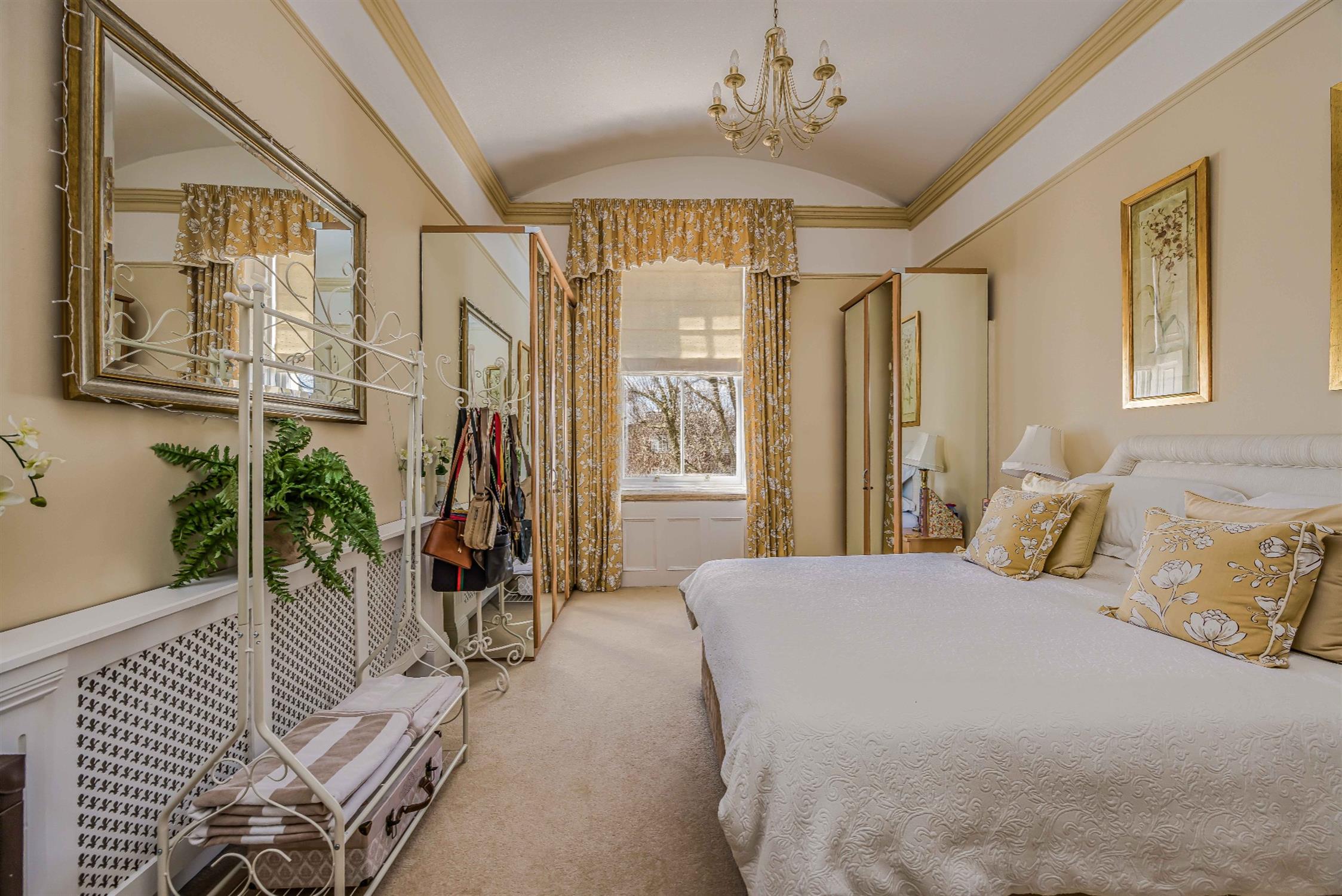
Sash windows to side aspect overlooking Grand Parade with views over Napoleonic sea defences towards the Solent and Isle of Wight in the distance in one direction and towards HMS Haslar in the other direction, comprehensive range of built-in bedroom furniture including wardrobes with hanging space and shelving, high vaulted ceiling with coving and cornicing, picture rail, radiator, door interlinking to bedroom two.
BEDROOM 2
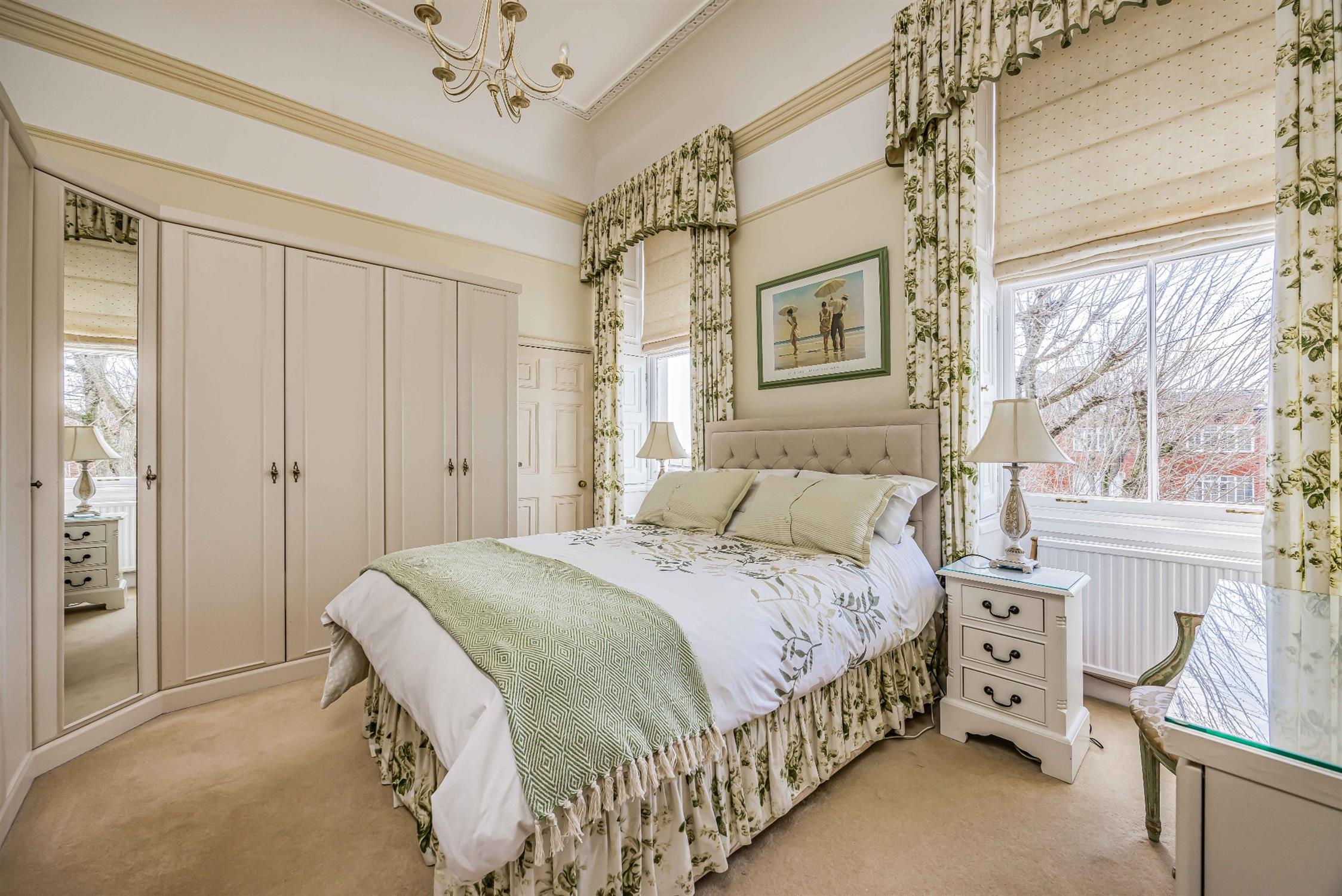
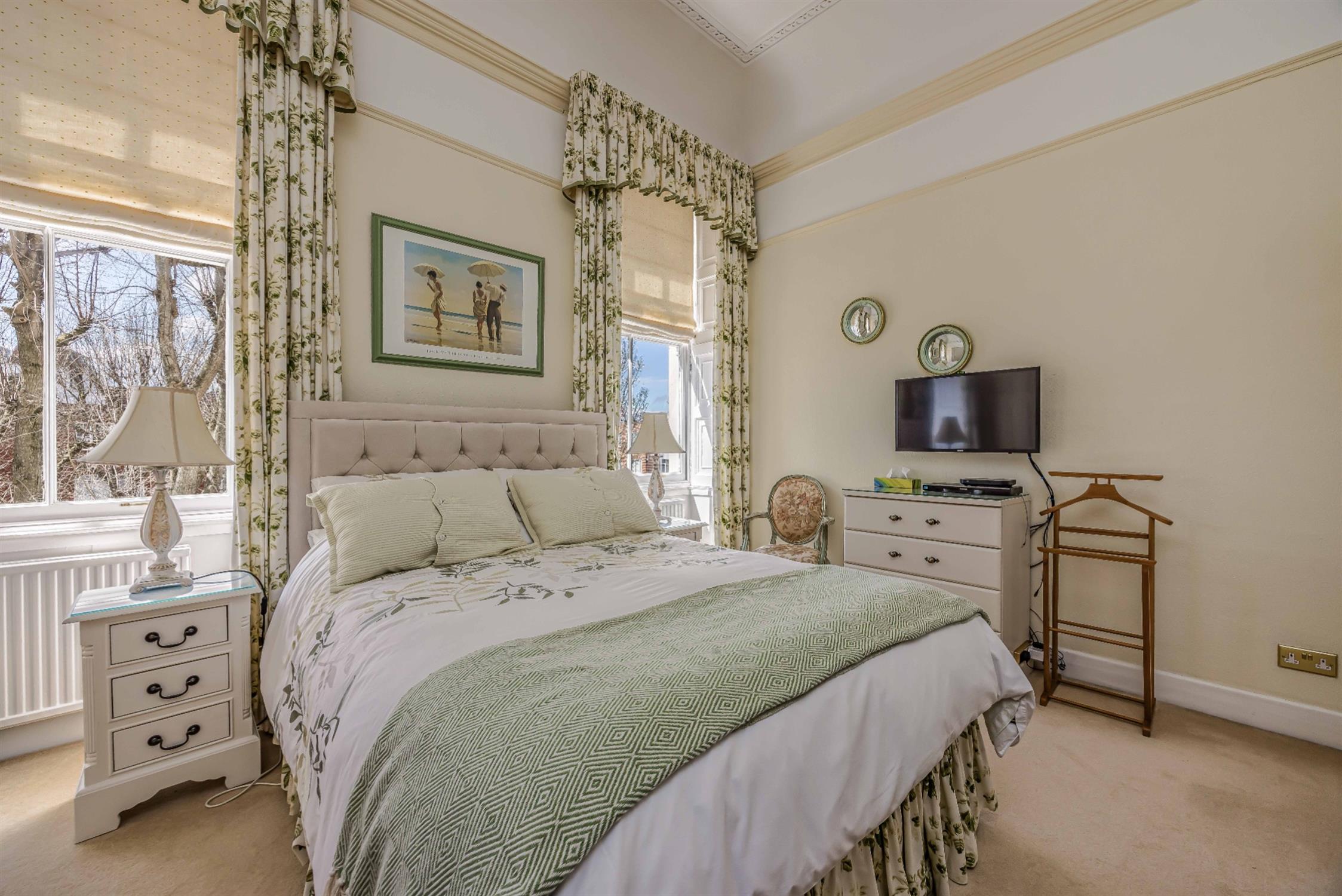
Two sash windows with shutters to side aspect overlooking Grand Parade with far reaching views over Napoleonic sea defences towards the Solent and Isle of Wight in the distance, two radiators, built-in and five built in wardrobe with hanging space and shelving, vaulted ceiling with coving, panelled door.
SHARED CELLAR ROOM
Communal area - From the side of the property on Grand Parade is a wrought iron gateway providing pedestrian access to raised area for bins and door leading to staircase with balustrade rising to upper floor and door to No. 60, door to basement with painted steps leading down to comprehensive range of store rooms with restricted ceiling height, lighting and power, restricted by pipework however forming a number of rooms, the average ceiling height for these rooms is 5'5".
ROOM 1
Wall mounted boiler supplying domestic hot water and central heating (not tested), gas meters, lighting.
ROOM 2
Cast iron vaulted door. Designated room for No. 60a.
ROOM 3
Feature arched room with exposed brick work, cold water stop cock. Designated room for No. 60.
LEASEHOLD INFORMATION
Lease Commenced: 25/12/1972
Lease Term: 719 years
Lease Term Remaining: 665 years
Ground Rent - £1 per annum, if requested.
Maintenance: Shared on a 50/50 basis.
COUNCIL TAX
Portsmouth City Council TAX BANd D £2,291.71 for the year 2026/2027.
HISTORY
The history of 60 High Street is particularly rich, reflecting both the commercial and maritime heritage of Old Portsmouth. The site itself predates the current building by many years. As early as the 16th century (Tudor period), maps show a row of gabled houses along this stretch of High Street, and it is likely one stood on this plot. In 1692, the land was leased on a long-term basis to naval officer Matthew Peate, indicating its early connection to Portsmouth’s naval community. The current property was built in 1786 by Peter Taylor, a successful commissary supplying the Army and Navy. He commissioned the noted architect Samuel Wyatt, who was also working on Admiralty projects at the time. The house was designed as a grand Georgian residence in what was then one of the most prestigious streets in the country. Its first known occupant was Captain Sir Francis Hartwell, highlighting the building’s status and its appeal to senior naval figures. Shortly after completion, the building took on the role that would define much of its history - as a bank. By 1788, it was occupied by Griffiths, Chaldicote & Drew, marking the start of its banking use. It became widely known as Godwin’s Bank, later formalised as the Portsmouth, Portsea and Hampshire Bank. The bank prospered for several decades and was considered highly reputable for its time. In 1903, the business was absorbed by Lloyds Bank, which continued to operate from the building until 1920. Interestingly, the building briefly returned to banking use during the Second World War after bomb damage to another branch, remaining in use until 1956. In the mid-20th century, the building narrowly escaped demolition. Plans in the 1960s proposed replacing it with flats, but it was saved following intervention by local heritage bodies in 1966. Today, the building survives as a Grade II listed structure, largely unchanged externally since the early 19th century, and has been converted into residential use. Much of the original Georgian structure remains intact, including elegant principal rooms and a distinctive staircase. Former strongrooms and vaults from its banking days still exist within the building. Local stories speak of a blocked tunnel in the cellar, possibly linked to nearby inns and tales of press gangs operating in the area. Source - historyinportsmouth.co.uk
Read full description
Show less